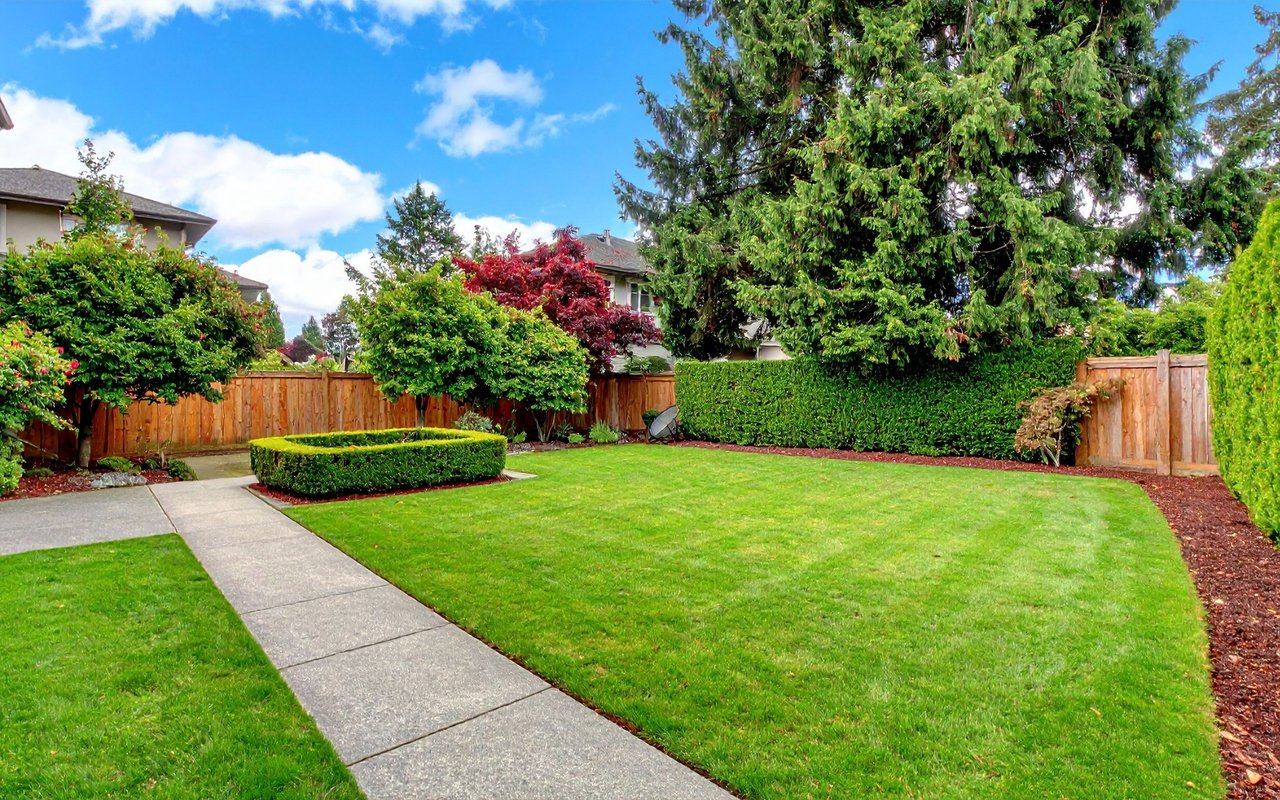
Best Trees for Suburban Yards — Smart Landscaping Choices across Texas, TX
What are the best trees to plant for a suburban yard — and why a miniature magnolia might be perfect?
If you’re landscaping a yard between Alliance DFW and Clute, you want trees that suit Texas’s climate, offer shade or curb appeal, and fit suburban-sized lots. Below are some top picks — including a compact magnolia — that balance beauty, practicality, and long-term value.
🌳 Why Choose the Right Tree for Your Suburban Yard
- Provide valuable shade and help cool your yard in hot Texas summers.
- Offer curb appeal, structure, and seasonal interest — from blooms to foliage color.
- Raise the property’s aesthetic and long‑term value with low‑maintenance, resilient landscaping that fits suburban space constraints.
🌿 Compact & Ornamental: Great for Smaller Yards
Little Gem Magnolia (mini‑magnolia)
This cultivar offers all the charm of a classic magnolia — glossy leaves, fragrant white blossoms, evergreen appeal — but in a smaller package. It typically matures around 25 feet tall and 10–15 feet wide — making it ideal for suburban lots or front yards. Once established, it’s fairly low‑maintenance and can serve as a year‑round focal point or accent tree.
Best for: Medium to small-sized yards, homeowners wanting classic Southern elegance without a huge canopy, or anyone wanting a statement tree near the front or entryway.
Cedar Elm
A well-known Texas favorite: drought‑tolerant, adaptable to varied soils, and resilient once established. Provides substantial shade — valuable for cooling homes and outdoor spaces during sizzling summer months.
Best for: Yards with enough space for a larger tree canopy, homeowners seeking long-lived shade and low maintenance.
Texas Ash (or similar medium-sized shade trees)
Offers nice seasonal interest (e.g. fall foliage) and adapts well to typical suburban lot soils. A good balance between size and manageability — not too sprawling, yet substantial enough to provide shade over time.
Best for: Homeowners wanting moderate canopy and seasonal character without committing to a huge full‑size tree.
🌲 Larger or Statement Trees: For Big Yards & Long-Term Use
Bald Cypress
Native to Texas environments and surprisingly adaptable — tolerates moist spots but also handles varied soil conditions when established. Offers a graceful, textured canopy — ideal for larger plots needing shade and visual interest over time.
Best for: Large lots, homeowners wanting a stately specimen tree that grows into a tall standout over many years.
Southern Magnolia (classic magnolia)
The iconic evergreen magnolia: large, glossy leaves and fragrant big white flowers that add timeless charm to any landscape. A long-lived, majestic tree — great for large front yards or as a long-term investment in curb appeal.
Best for: Spacious properties where a larger canopy, evergreen foliage, and classic southern character fit the setting.
✅ Practical Tips for Planting & Maintenance in Texas Suburban Yards
- Right tree, right space: Choose species that match your lot size. Compact cultivars like Little Gem Magnolia shine in smaller yards, while larger trees like Bald Cypress need room to spread.
- Soil & drainage matter: Especially for magnolias — they prefer moist, well-drained soil and good airflow.
- Water when young: Newly planted trees benefit from regular watering until established — especially in hot summers.
- Plan for maturity: Consider how large a tree will get — and how close it is to your home, sidewalks, or power lines.
- Mix function with beauty: Combine shade trees and ornamentals for comfort and curb appeal.
🌼 Why Miniature Magnolia (Little Gem) Is a Smart Choice for Suburban Landscaping
For many suburban homeowners — especially in growing areas like Alliance DFW — space is a premium. The Little Gem Magnolia gives you the best of both worlds: the elegance, evergreen foliage, and fragrant blooms of a southern magnolia, but in a footprint that fits front yards, side yards, or smaller backyards. It brings charm, year-round greenery, and a touch of timeless southern style — without some of the drawbacks of large‑scale trees.
📌 Final Thoughts
Choosing the right trees for your yard is one of the most impactful decisions you’ll make for your home’s long‑term look and value. Whether you want quick shade, seasonal color, or evergreen elegance — there’s a tree fit for your yard and lifestyle. Start with the space you have, consider what you want (shade, beauty, low maintenance), and go from there.
If you’d like help selecting the best tree layout for your property — or want advice on combining trees for maximum curb appeal — I’d love to help guide you.
Want more landscaping and home‑ownership tips?
Join my email list for regular insights, neighborhood advice, and guidance to make the most of your yard and property across Texas.
This blog was created using a custom GPT from your Ai Marketing Academy membership. To explore more content and tools, visit academy.jasonpantana.com/profile.