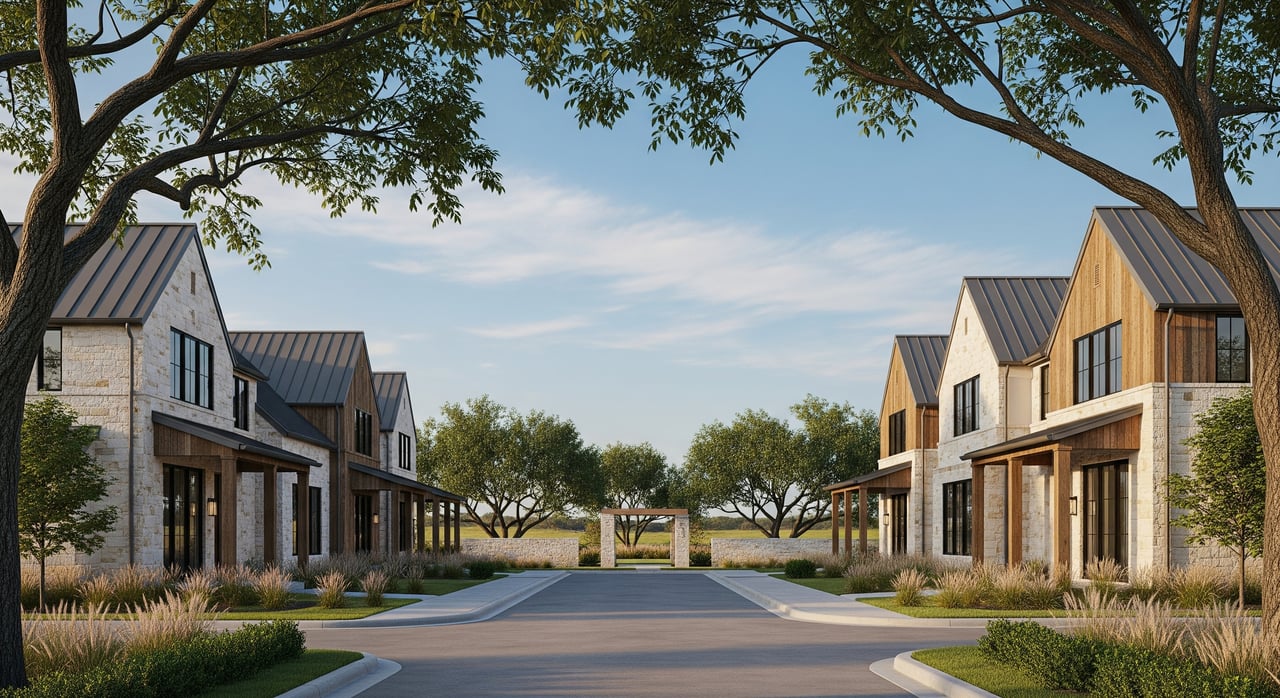
Curious if a build-to-rent community could be the right move for your next chapter in Denton County? You are not alone. Many households want the space and privacy of a single-family home without the upfront costs and maintenance that come with owning. In this guide, you will get a clear look at how build-to-rent works locally, who it serves, and how to evaluate options in Northlake, Justin, Little Elm, and nearby areas. Let’s dive in.
What is build-to-rent?
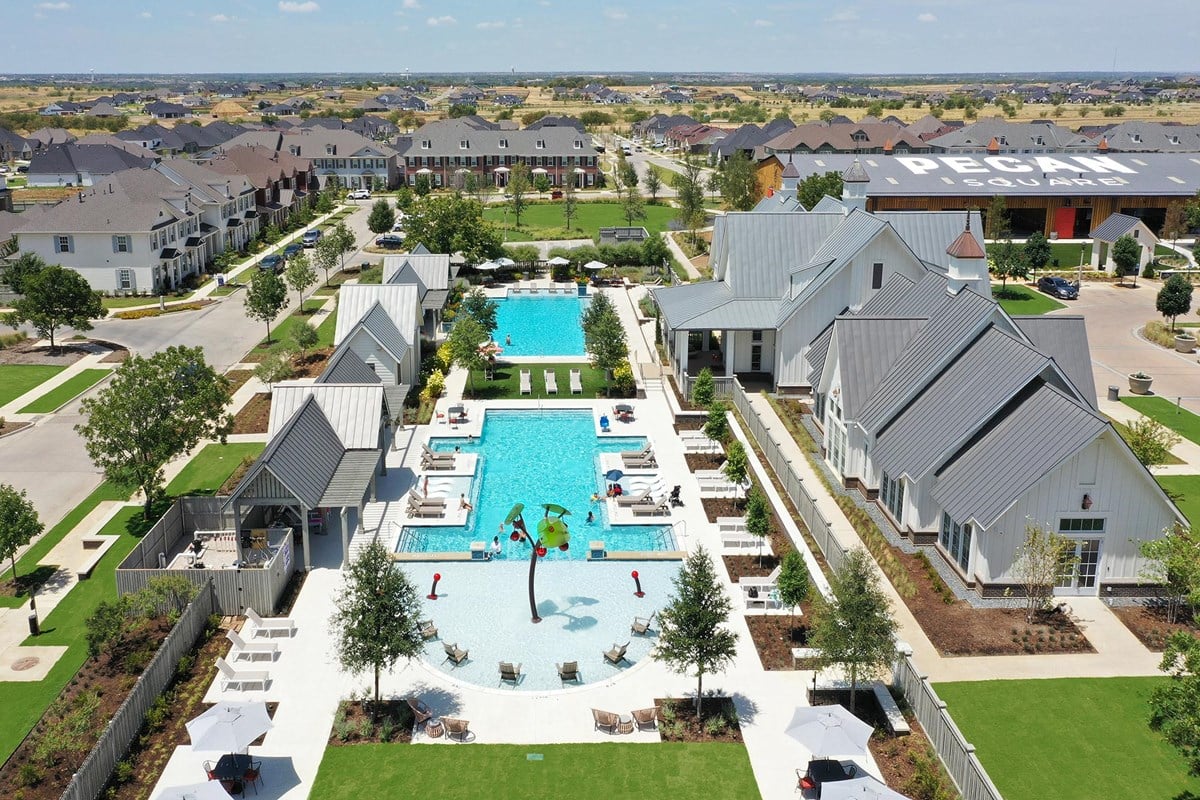
Build-to-rent, often called single-family rental communities, refers to neighborhoods developed and held by a single owner or operator for long-term rental. Homes are typically single-family houses or townhomes with a consistent look, plus amenities like a pool, playground, or clubhouse. Professional managers handle leasing, maintenance, and standardized policies.
These communities grew as more renters sought single-family living, investors looked for long-duration housing assets, and metro areas like Dallas–Fort Worth continued to add jobs and households. Operators aim to combine the feel of a for-sale subdivision with the predictability of professional management.
How BTR works in Denton County
Development lifecycle
- Land and approvals: Developers identify suitable tracts near growth corridors and apply for zoning or plat approvals with local planning departments, such as Northlake, Justin, or Little Elm.
- Infrastructure and construction: Streets and utilities go in first, then home construction based on city standards. Many projects form a master HOA, and a professional operator runs leasing and maintenance.
- Leasing and operations: Expect digital leasing portals, standardized leases, and in-house or contracted maintenance teams with 24/7 request systems.
Where communities locate
Northern Denton County has been a growth area within DFW, so BTR activity tends to follow new infrastructure and master-planned development patterns. Projects usually require larger land parcels that support subdivision-scale neighborhoods and access to utilities and road capacity.
Municipal considerations
Local approvals can include conditional use permits, planned unit development changes, or standard subdivision plats. Infrastructure items like water and wastewater capacity, roadway improvements, and school capacity are often part of the conversation. HOA covenants and lease policies shape how each community operates, including landscaping standards and amenities.
How to track local projects
If you want to see what is planned or under review, check city planning and council agendas and staff reports in Northlake, Justin, and Little Elm. Denton County plat records and the Denton County Appraisal District are also useful for confirming ownership and recorded plats. Local news outlets and real estate trade coverage often report large institutional acquisitions and new community announcements.
Who BTR serves
Renters
Common renter profiles include young families who want a yard and garage, relocating professionals who value convenience, and households who prefer to rent while monitoring the for-sale market. You get a single-family lifestyle with a lower maintenance burden than owning, plus neighborhood amenities and standardized service.
Potential tradeoffs include stricter lease and community policies compared to renting from an individual landlord, ancillary fees for things like pets or amenities, and less freedom to customize your home’s finishes or paint.
Investors and operators
Institutional owners see BTR as a way to gain scale, stabilize cash flow, and diversify. Risks include higher land and construction costs in fast-growing areas, local entitlement complexity, and market shifts tied to employment and interest rates.
BTR vs other housing options
Traditional apartments
- Pros: Centralized amenities, often lower per-unit development costs, convenient maintenance.
- Cons: Less privacy, limited yard space, and no garage or only shared parking in many buildings.
Traditional single-family rentals from individual owners
- Pros: Sometimes lower rent, more personalized landlord relationship.
- Cons: Variable maintenance standards and response times, potential instability if the owner decides to sell.
New-build for-sale homes
- Pros: Ownership, equity growth, long-term control over the home.
- Cons: Down payment and closing costs, full responsibility for repairs and maintenance, less flexibility to move.
Build-to-rent communities
- Pros: Single-family living with professional management, neighborhood amenities, predictable leasing and service.
- Cons: No equity building, limited customization, and investor-led rules that govern community decisions.
Is BTR a fit for your plans?
If you plan to rent
Ask yourself how long you expect to stay. If your horizon is two to five years or longer, BTR can provide stability without committing to a mortgage. Consider whether you value a yard, a garage, and community amenities, and compare total monthly costs to buying, including property taxes, insurance, HOA, and maintenance you would shoulder as an owner.
Key questions for leasing offices:
- What are minimum lease lengths, renewal options, and historical rent increases?
- How are maintenance requests handled, and what are average response times?
- What are the pet, parking, and guest policies, and any recurring fees?
- Is management local or remote, and is there an onsite team?
- Are there any plans to sell units or convert portions of the community to for-sale?
If you plan to buy near a BTR community
Look at neighborhood comparables and sales activity near existing rental communities to see if there is any effect on pricing or demand. Review HOA covenants and whether a developer or operator controls the HOA. Some buyers appreciate nearby amenities and well-maintained streetscapes, while others prefer a traditional for-sale-only area. Your agent can help you assess data and local feedback.
If you are considering BTR as an investment
For those evaluating BTR as an asset, underwrite occupancy, turnover, rent growth, operating expense ratios, and capital expenditure cycles like roofing and HVAC. Review the operator’s track record for tenant screening, maintenance systems, and digital leasing. Understand local entitlement timelines and any planned infrastructure obligations. Define your exit strategy, such as selling to another operator or conversion to for-sale at the end of your hold period.
Local areas to watch in Denton County
Northlake
Northlake has seen steady suburban growth with new subdivisions and commercial nodes. BTR projects often follow corridors with utility capacity and planned roadway improvements. Track planning agendas and plats to see where communities may take shape.
Justin
Justin benefits from regional growth and proximity to employment centers in the northwest DFW corridor. The town’s approvals and infrastructure agreements will influence where and how large-scale rental neighborhoods move forward.
Little Elm
With active residential development and lakeside amenities, Little Elm remains a draw for both for-sale and for-rent housing. School district capacity, roadway plans, and utility expansions are common considerations in project reviews.
How to evaluate a specific BTR community
Use this quick checklist to compare options and keep conversations focused:
- Ownership and management: Who owns and operates the neighborhood, and what is their track record?
- Leasing terms: Minimum lease length, renewal terms, and typical rent adjustments.
- Turnover and occupancy: Average time to fill a vacant home and current occupancy trends.
- Fees and policies: All recurring fees, pet rules, parking, amenities, and guest policies.
- Maintenance standards: Response times, service windows, and whether there is an onsite team.
- Community plans: Any scheduled expansions, amenity additions, or for-sale conversions.
- Schools and services: Which school district serves the address, plus proximity to parks and public services, noting capacity as a local planning factor.
- Approvals and timing: Confirm plats, site plans, and any infrastructure agreements that could affect delivery dates.
The bottom line
Build-to-rent communities in Denton County offer a practical middle path if you want single-family living with less responsibility than owning. They can also be a useful stepping stone if you plan to buy in the future, letting you learn the area while enjoying a yard, a garage, and neighborhood amenities.
If you are deciding whether to rent now, buy soon, or evaluate a BTR investment, you deserve clear, local guidance rooted in real data and on-the-ground experience. Connect with the team at Carter Signature Properties to compare neighborhoods, new construction opportunities, and rental-to-purchase strategies that fit your goals. Start your Signature Experience.
FAQs
What is a build-to-rent community in Denton County?
- A build-to-rent community is a professionally managed neighborhood where a single owner builds and leases single-family homes or townhomes, offering amenities and standardized service.
Who are BTR communities best for in Northlake, Justin, and Little Elm?
- They often fit households seeking single-family space without ownership costs, including young families, relocators, and renters who want stability while watching the for-sale market.
How do BTR lease terms and fees typically work?
- Leases are standardized, usually 12 months or more, with clear renewal options and itemized fees for pets, amenities, or services, all disclosed in the lease documents.
Do BTR homes cost more than traditional single-family rentals?
- Rents are often competitive with local market rates, but some operators charge ancillary fees, so compare the full monthly cost when evaluating options.
Will a nearby BTR community affect for-sale home values?
- Effects vary by location and scale. Some areas see neutral outcomes, and specific impacts depend on amenities, management quality, and local buyer preferences.
Can you buy a home in a BTR neighborhood later?
- Some operators occasionally sell portions of their portfolios, but purchase of a specific unit is not guaranteed. Ask management about any future sale or conversion plans.
How can you find BTR options in Denton County?
- Check MLS rental filters, major rental platforms, local property management sites, city planning agendas for upcoming projects, and consult a local brokerage familiar with rental inventory.