Dreaming about a beach house on the Brazoria County coast? From Surfside Beach through the Bluewater Highway corridor to Treasure Island, the appeal is easy to understand: Gulf views, boating access, fishing, surfing, and a lifestyle that feels like a getaway even when you own it year-round. But buying here takes more than falling in love with a deck view. You need to understand how location, insurance, taxes, floodplain rules, and rental regulations all shape the decision. Let’s dive in.
Why this coastal stretch draws buyers
Surfside Beach is more than a weekend stop. The city highlights fishing, birding, boating, surfing, lodging, and recurring events throughout the year, and it notes about 4 miles of shoreline. Texas also recognized Surfside Beach as a Tourism Friendly Texas Certified Community in 2025, which reinforces its visibility as a coastal destination.
That matters if you are buying for personal use, part-time use, or possible rental income. This is not a market built around one short summer window alone. Spring break, summer trips, holiday weekends, fishing seasons, and community events can all influence how you use the home and how guests experience the area.
Know the main property types
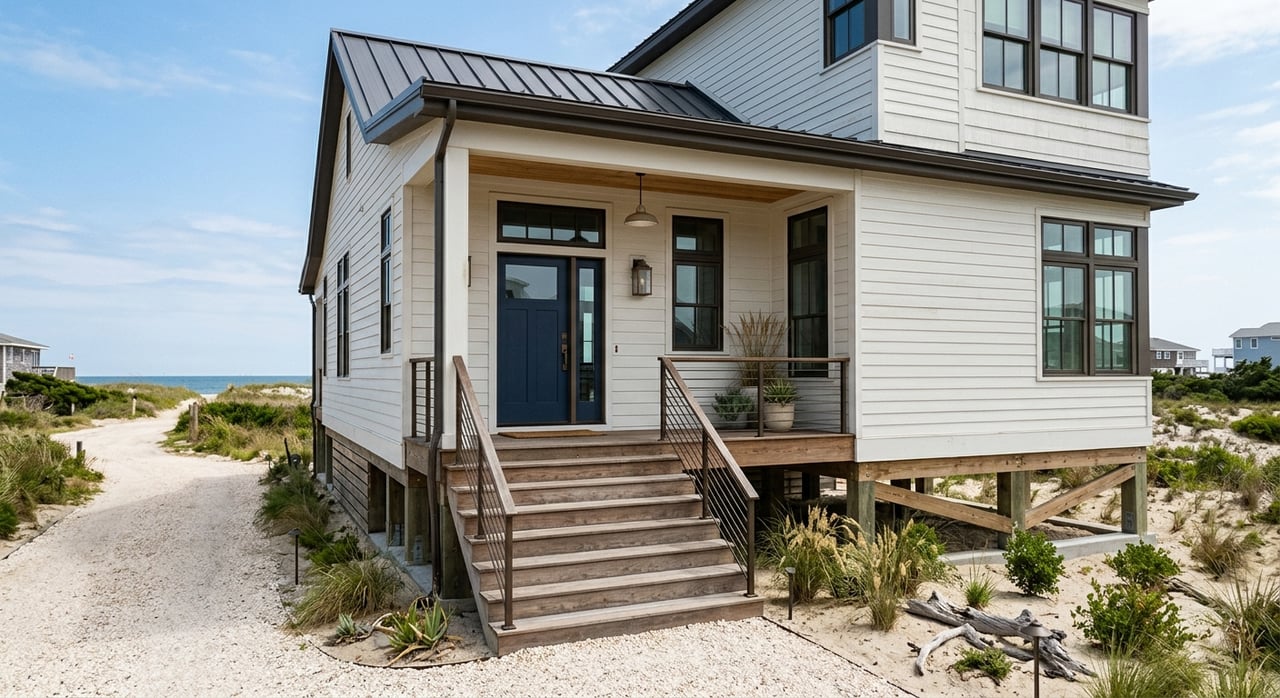
Not every beach house in this corridor works the same way. As you compare homes from Surfside Beach to Treasure Island, it helps to sort them into three broad groups: beachfront or Gulf-front homes, canal or water-access homes, and view-oriented homes set off the water. These labels are descriptive, not legal property classes, but they can help you focus your search.
Beachfront homes
Beachfront homes often deliver the strongest direct-water appeal, but they also come with the most layered due diligence. Brazoria County beachfront permitting shows this is a dynamic shoreline, with erosion, dune protections, setback limits, and public beach restrictions all playing a role.
If you are looking at a Gulf-front property, do not assume you can build, expand, pave, or place structures wherever you want. County records note that structures may not encroach on the public beach, and restrictions can apply seaward of the building setback line. In practical terms, that means your lot lines and your usable rights may not always line up the way they would inland.
Canal and water-access homes
Treasure Island canal properties appeal to buyers who want boating access and a different ownership experience from direct beachfront living. Here, the story is often about canals, docks, driveway access, utility coordination, and subdivision-level logistics.
Treasure Island MUD records discuss canal dredging and a boat-ramp canal, which is a reminder that water access can bring both lifestyle value and maintenance questions. Before you buy, you will want to confirm what access exists, what improvements serve the property, and what coordination may be needed with the utility district or subdivision rules.
View-oriented homes
Some buyers want the coastal setting without being directly on the Gulf or on a canal. Homes with strong water views or easy beach access can still deliver the lifestyle you want while changing the insurance, maintenance, and regulatory profile.
That does not mean less diligence. It simply means your questions may shift toward beach access, floodplain status, road access, and how the home fits your budget and use goals.
Think beyond the view
The single biggest mistake buyers make in coastal markets is treating the purchase like a normal home search. Along this Surfside-to-Treasure Island stretch, you are buying a property that sits inside a larger system of floodplain review, windstorm standards, tax layers, and local rules.
A great beach house is not just about bedrooms and balconies. It is also about whether the property works for your intended use, whether the insurance picture is manageable, and whether the parcel can support any updates or rental plans you have in mind.
Floodplain review comes first
If you are buying with plans to build, remodel, elevate, or expand later, floodplain review should be near the top of your checklist. Brazoria County says its floodplain office helps buyers purchasing property for development, and flood hazard status is determined by legal description.
The county also requires permits for new or relocated structures over 200 square feet and for larger additions. For new construction in flood-hazard areas, Brazoria County sets standards 2 feet above FEMA elevation. The county also keeps elevation certificates for permitted floodplain buildings, which can be useful as you evaluate a property.
That means a home’s floodplain status is not a side note. It can affect what you pay, what you can build, and how you plan future improvements.
Wind and flood insurance are separate
Many buyers are surprised to learn that homeowners insurance does not cover flood damage. The Texas Department of Insurance says flood insurance is a separate policy, and it also notes that flood risk can exist even outside designated flood zones.
Windstorm insurance is its own issue as well. Brazoria County is one of Texas’ first-tier catastrophe counties, and coastal properties must meet building standards to qualify for windstorm coverage. If you are comparing homes, the insurance side of the purchase deserves just as much attention as the sales price.
TDI also notes that the average flood policy costs about $700 a year and that most flood policies have a 30-day waiting period. Those details matter if you are budgeting for closing, carrying costs, and any gap between purchase and occupancy.
Storm season should shape your plan
On the Texas coast, risk management is part of ownership. NOAA identifies Atlantic hurricane season as June 1 through November 30, and TDI reminds consumers that Texas is especially flood-prone along the coast.
That does not mean you should avoid buying here. It means you should buy with a clear plan. Think about storm preparation, vacancy periods, weather-related travel disruptions, and how cancellations or access issues could affect your personal use or rental schedule.
Short-term rental rules are not one-size-fits-all
If you hope to offset costs with short-term rentals, do not assume the same rules apply to every address on this corridor. In Surfside Beach, short-term rental owners must register, renew annually, and pay hotel occupancy tax. The city states that the total hotel occupancy tax is 11 percent, made up of 5 percent city tax and 6 percent state tax, with quarterly returns due in April, July, October, and January.
The city also states that Airbnb and Vrbo do not remit the local portion to Surfside Beach. That is an important detail if you are underwriting income or trying to estimate what ownership will really cost.
For Treasure Island, you should verify the exact jurisdiction, any deed restrictions, and any MUD-related requirements before you rely on rental assumptions. This is especially important because this coastal stretch includes both incorporated city areas and adjacent subdivision or unincorporated areas. A rule that applies in Surfside Beach may not automatically apply to every Treasure Island parcel.
Taxes can be more layered than expected
Property taxes in Brazoria County are not always simple to estimate from a headline number. The county includes more than 50 taxing jurisdictions, and bills may include city, school, hospital district, drainage district, and other entities.
That makes it important to review a property carefully instead of assuming one home’s tax picture will match another nearby. If you are buying a second home, do not assume it will qualify for a residence homestead exemption. The Texas Comptroller says that exemption applies to a principal residence, and applicants must state they are not claiming another residence homestead.
For many beach-house buyers, that means a vacation property should be budgeted differently from a primary home. If you are buying for investment or part-time use, it is smart to review the tax picture with a tax professional before closing.
Beach rules affect ownership and guest use
In a coastal market, local beach rules are not just visitor information. They can shape the owner and guest experience. Surfside Beach states that vehicles are allowed only on the drive-on beach east of Highway 332, all vehicles need a beach pass, the speed limit is 15 mph, and camping, fireworks, and glass containers are prohibited.
If you plan to use the home as a second residence or a rental, these details matter. They affect convenience, guest expectations, and how you present the property to future visitors or buyers.
Your due-diligence checklist
Before you buy a beach house from Surfside Beach to Treasure Island, focus on the questions that can change the value of the deal:
- What is the property’s exact jurisdiction?
- Is it beachfront, canal-access, or primarily view-oriented?
- What does the floodplain review show for the legal description?
- Are there elevation certificates or prior permitting records?
- What are the windstorm and flood insurance requirements and estimated costs?
- Are there dune, setback, or public beach restrictions?
- If you plan to rent it, what local registration, tax, or subdivision rules apply?
- Are there utility or water-account issues that need to be cleared before closing?
- What taxing entities appear on the bill?
- Does your purchase strategy still make sense after insurance, taxes, and compliance costs are added in?
For Treasure Island specifically, MUD records say title companies and real estate agents should check water-account status and deed-restriction issues at closing. That is a strong reminder that the best beach-house purchase is usually the one that survives detailed review, not just the one that looks best online.
Buying here takes a local process
The Surfside-to-Treasure Island market can be a great fit if you want a second home, a coastal lifestyle property, or a rental-minded purchase. But the most successful buyers approach it like a combined real estate, insurance, and regulatory project.
When you know how to evaluate shoreline conditions, floodplain factors, tax layers, and rental rules, you can buy with more confidence and fewer surprises. That is where local guidance matters. If you are exploring a beach house along this Brazoria County stretch, Carter Signature Properties can help you navigate the process with the kind of detailed, local perspective coastal purchases demand.
FAQs
Can you use a Surfside Beach home as a short-term rental?
- Yes, in Surfside Beach short-term rental owners must register, renew annually, and handle hotel occupancy tax requirements.
Do Treasure Island properties follow the same rental rules as Surfside Beach?
- Not necessarily. You should confirm the exact jurisdiction, deed restrictions, and any applicable MUD or subdivision rules for the specific parcel.
What insurance matters most for a beach house in Brazoria County?
- Flood and windstorm insurance are both key issues, and they are separate from standard homeowners coverage.
What should you check before remodeling a beach house near Surfside Beach?
- You should review Brazoria County floodplain requirements, permitting rules, and any dune, setback, or public beach restrictions before planning work.
Are property taxes for a Surfside or Treasure Island beach house straightforward?
- Usually not. Brazoria County tax bills can include multiple taxing entities, so you should review the full tax picture for the property you are considering.
Can a second-home buyer count on a homestead exemption for a beach house?
- Generally, a vacation home should not be assumed to receive residence homestead treatment because that exemption applies to a principal residence.