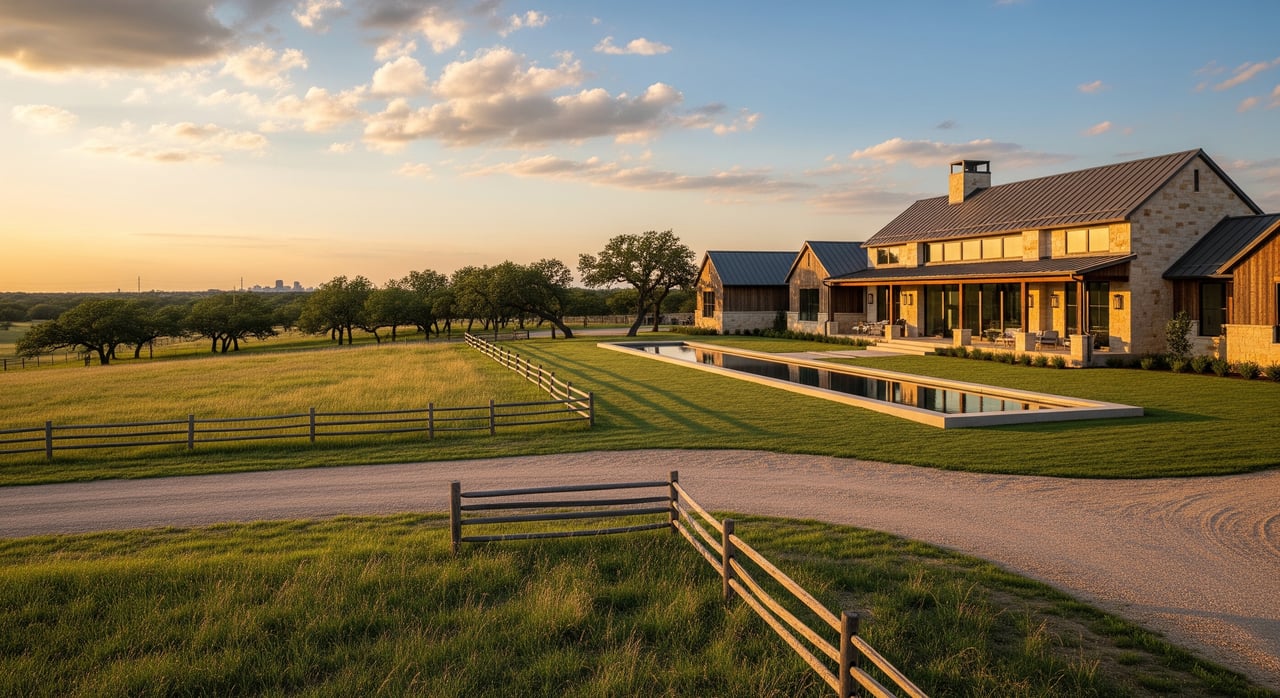
Torn between a shiny new home in a master-planned community and the freedom of a few peaceful acres under the Texas sky? You are not alone. Many buyers in and around Justin weigh the same decision as Denton County grows and rural land changes. In this guide, you will learn the real differences in costs, utilities, commute, rules, and resale so you can pick the lifestyle that fits you best. Let’s dive in.
What “new construction” means in Justin
Lot sizes and amenities
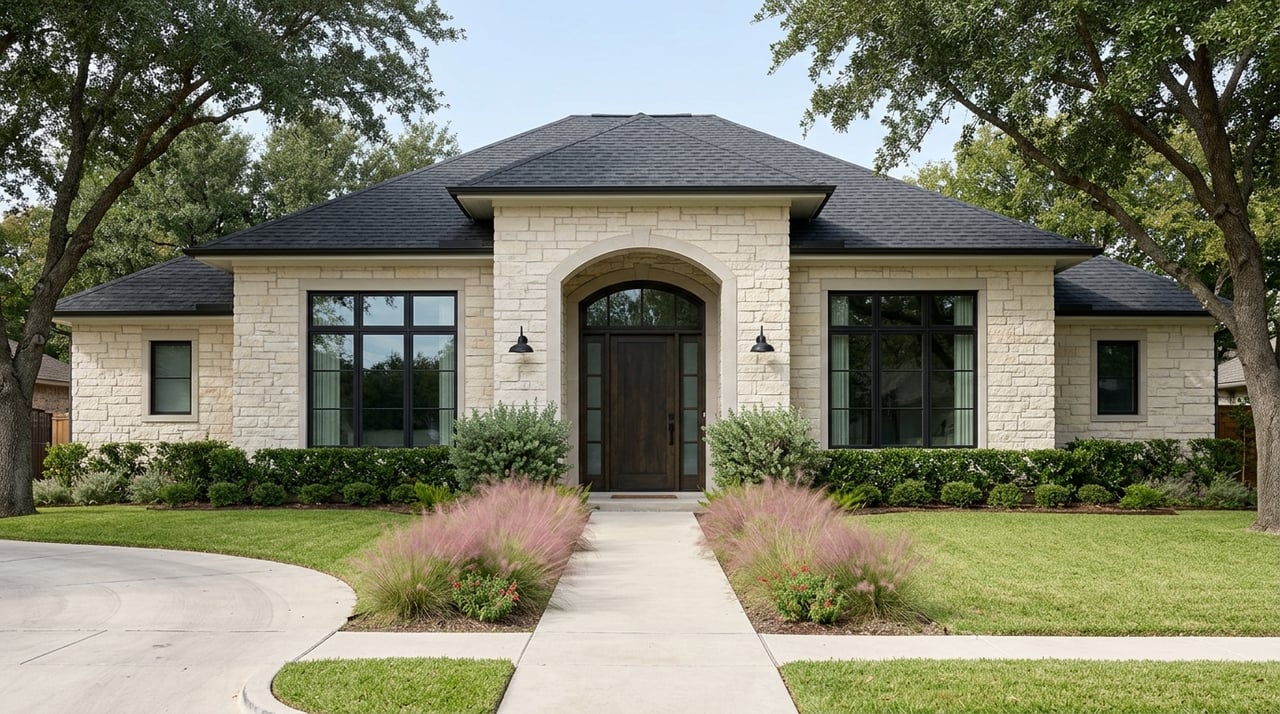
New communities around Justin often feature smaller lots, commonly in the 40 to 80 foot range or about 0.1 to 0.25 acres, with occasional estate sections. You typically get paved roads, storm drainage, and municipal water and sewer when you are inside city limits or an annexed service area. Shared amenities are a big draw, from pools and playgrounds to trails and community centers. Builders also offer modern plans, energy-efficient features, and warranties that reduce surprise repairs early on.
Ownership costs to expect
You will have an HOA with dues that fund amenities and common-area care. Dues and any special assessments vary by community, so it pays to review budgets and reserve planning before you sign. Property taxes and insurance follow standard single-family patterns, although new homes can appraise higher if you select premium finishes or larger lots. Your yard workload is lighter than acreage living, yet you still handle your own landscaping and exterior maintenance unless the HOA specifies otherwise.
Rules and restrictions to review
HOAs come with covenants and architectural review. Expect rules around exterior colors, additions, sheds, fencing, pets or livestock, and home-based business activity. If the community is still building out, plan for ongoing construction traffic and noise for a period of time. Clarify whether desirable lots carry premiums and how that affects your budget.
What acreage living looks like near Justin
Land and infrastructure realities
Acreage options near Justin range from 1 to 5 acres up to larger ranch-style tracts. Many properties rely on private wells and on-site septic systems, along with private driveways and non-municipal drainage. Some tracts are on county-maintained roads, while others use private or unpaved easements that owners maintain. Zoning and land-use rules vary by whether the property sits inside city limits or unincorporated Denton County, so verify permitted uses and any subdivision limits before you buy.
Maintenance and equipment needs
With more land comes more upkeep. Budget time and money for mowing, brush control, fence repair, tree work, and erosion management. If you keep animals or run hobby operations, you may need equipment such as a tractor or trailer, or you can hire contractors. Plan for well servicing, septic pumping, and pest control as ongoing line items.
Water, septic, and utilities
Private wells should be evaluated for yield and water quality. You will want to review well logs and pump tests, and understand local permitting requirements. Septic systems require site evaluation, permitting, and periodic inspection and pumping. Electricity and telecom may require line extensions, which can add cost. Broadband availability varies by provider and location, so confirm speeds and service before you commit.
Insurance and tax considerations
Acreage policies can be underwritten differently from suburban homes because of outbuildings, livestock, and larger liability exposure. Get quotes early in your search. If you plan agricultural activities, ask the appraisal district about agricultural-use valuation rules, eligibility, and timelines. Requirements are specific, and deadlines matter.
Access, services, and safety
Some rural addresses have longer response times for emergency services. Distances to schools, medical care, and shopping can also increase. Walk the property and drive the route to key destinations at your typical travel times so you know what daily life feels like.
Commute and daily life tradeoffs
Drives to Dallas, Plano, and Irving
Justin sits northwest of the Dallas–Fort Worth core, so most commutes rely on regional highways. Travel time can vary widely by destination and time of day. Master-planned communities positioned closer to major arterials may shave minutes off daily drives, though lots in these areas can carry higher premiums. Acreage farther out trades shorter lines and more elbow room for longer drive times.
Schools and local services
School assignments, utilities, and municipal services differ from one address to the next. Inside city limits, you are more likely to find municipal water and sewer. In rural pockets, you will see more wells and septic systems. Always verify exact school district zoning and service providers for a specific property rather than assuming based on a map.
Community life vs privacy
New communities offer built-in neighbors, amenities, and organized activities. That can be great if you prefer a social environment with shared spaces. Acreage living prioritizes privacy and autonomy, with room for hobbies, gardens, and animals. Services and entertainment are usually a longer drive, which some buyers view as a feature rather than a bug.
Long-term value and resale
Liquidity and buyer pool
New-construction homes in master-planned neighborhoods tend to appeal to a broad buyer pool. That can translate to easier resale and more predictable timelines. Acreage properties attract a narrower set of buyers who value land, privacy, and specific site features. These homes can sell well when they offer quality improvements, good access, or standout views, yet they may take longer to match with the right buyer.
What can move prices
Regional growth, highway projects, and proximity to job hubs influence values for both product types. New communities can see lot premiums and builder price increases during strong demand. Acreage values are sensitive to groundwater conditions, floodplain mapping, new road corridors, and land-use changes nearby. HOA quality and promised amenity delivery also factor into community desirability over time.
Cost check: beyond the mortgage
New construction communities
- HOA dues and any special assessments.
- Routine landscaping, exterior maintenance, and potential upgrades.
- Standard utilities, typically municipal water and sewer where available.
- Property taxes and homeowners insurance in line with suburban single-family homes.
- Possible lot premiums for larger or corner lots.
Acreage and small ranch properties
- Land care: mowing, brush control, tree work, and fence repair.
- Well service, water testing, and septic inspection and pumping.
- Equipment purchase or contractor costs if you do not DIY.
- Electricity or broadband line extensions where needed.
- Insurance tailored to outbuildings and land use, plus any farm or ranch liability coverage.
Due diligence checklist for each path
For any property
- Confirm the exact school district and assigned schools for the address.
- Order a current title report and boundary survey, and review all easements and deed restrictions.
- Verify current property taxes and assessed values with the appraisal district.
- Check floodplain status and any local drainage notes.
For new construction in master-planned communities
- Review HOA covenants, architectural rules, fee schedules, reserves, and any planned assessments.
- Confirm builder warranties, final completion timelines, and community phasing.
- Verify municipal water and sewer connections and any impact fees at closing.
For acreage or ranch properties
- Obtain the well log, water quality testing, and pump test results, and confirm permits if applicable.
- Inspect the septic system, gather permitting and inspection records, and price replacement or repair.
- Understand road maintenance obligations and any gate or access easements.
- Confirm mineral rights and any existing leases or production.
- Verify eligibility for agricultural-use valuation and note application deadlines.
Financing and insurance
- Ask lenders about down payment and rate differences for rural properties or homes without municipal services.
- Get insurance quotes for dwelling, outbuildings, and liability coverage early in the process.
Lifestyle and location
- Measure drive times to work, schools, healthcare, and grocery stores at typical hours.
- Evaluate potential noise and air impacts if the property is near highways, rail, or industrial uses.
- Build a realistic annual maintenance budget for either path.
Which is right for you? A quick self-test
Choose new construction if you want:
- A ready-made neighborhood with amenities and social life.
- Municipal services that simplify utilities and permitting.
- Predictable maintenance and builder warranties.
- A broad future buyer pool when it is time to sell.
Choose acreage if you want:
- Privacy, space, and flexibility for hobbies or animals.
- Control over improvements, outbuildings, and land use within local rules.
- Willingness to manage well, septic, and land care.
- A unique property that can benefit from land scarcity over time.
How Carter Signature Properties helps
You deserve clear guidance and a process that reduces stress. Our team pairs local knowledge in the Justin and greater Denton County area with disciplined transaction management. We help you compare homes in master-planned communities and acreage tracts side by side, align financing and insurance early, and coordinate the right inspections for wells, septic, and surveys. You get a tailored plan that fits how you live today and supports where you want to be next.
Ready to weigh your options with confidence? Start your Signature Experience with the trusted local team at Carter Signature Properties.
FAQs
What costs differ most between acreage and new homes near Justin?
- Acreage adds ongoing land care, well and septic service, and sometimes utility line extensions, while new homes add HOA dues and lighter yard maintenance.
How do I evaluate a private well and septic system before buying?
- Review well logs, pump and water quality tests, and confirm permitting, then inspect the septic system and gather maintenance and permit records.
What HOA rules should I expect in Justin-area new communities?
- Typical rules cover architectural changes, fencing, exterior colors, sheds, parking, and limits on livestock or home-based businesses.
How will commuting from Justin to Dallas, Plano, or Irving feel?
- Expect highway driving with times that vary by hour and destination, with communities near major arterials often reducing commute minutes.
Are there tax differences for rural properties in Denton County?
- Some acreage may qualify for agricultural-use valuation if it meets specific requirements and timelines, which you must verify with the appraisal district.
Which has better resale, a master-planned home or acreage?
- Master-planned homes typically draw a broader buyer pool for faster resale, while acreage can hold value well when it offers quality improvements and strong land features.