Owner Financing in Texas: The Good, the Bad, and the Ugly
What is owner financing, and can any seller do it?Owner financing is when the seller acts as the bank and the buyer makes monthly payments to them instead of a lender. In Texas, it only works cleanly if the home is owned free and clear — any existing mortgage has to be paid off at or before closing.
I get asked about owner financing more than almost anything else, and it usually comes in one of two flavors. Either a buyer can't get a bank loan and wants to know if the seller will carry the note, or a seller heard they can collect interest for 15 years and suddenly feels like a bank president.
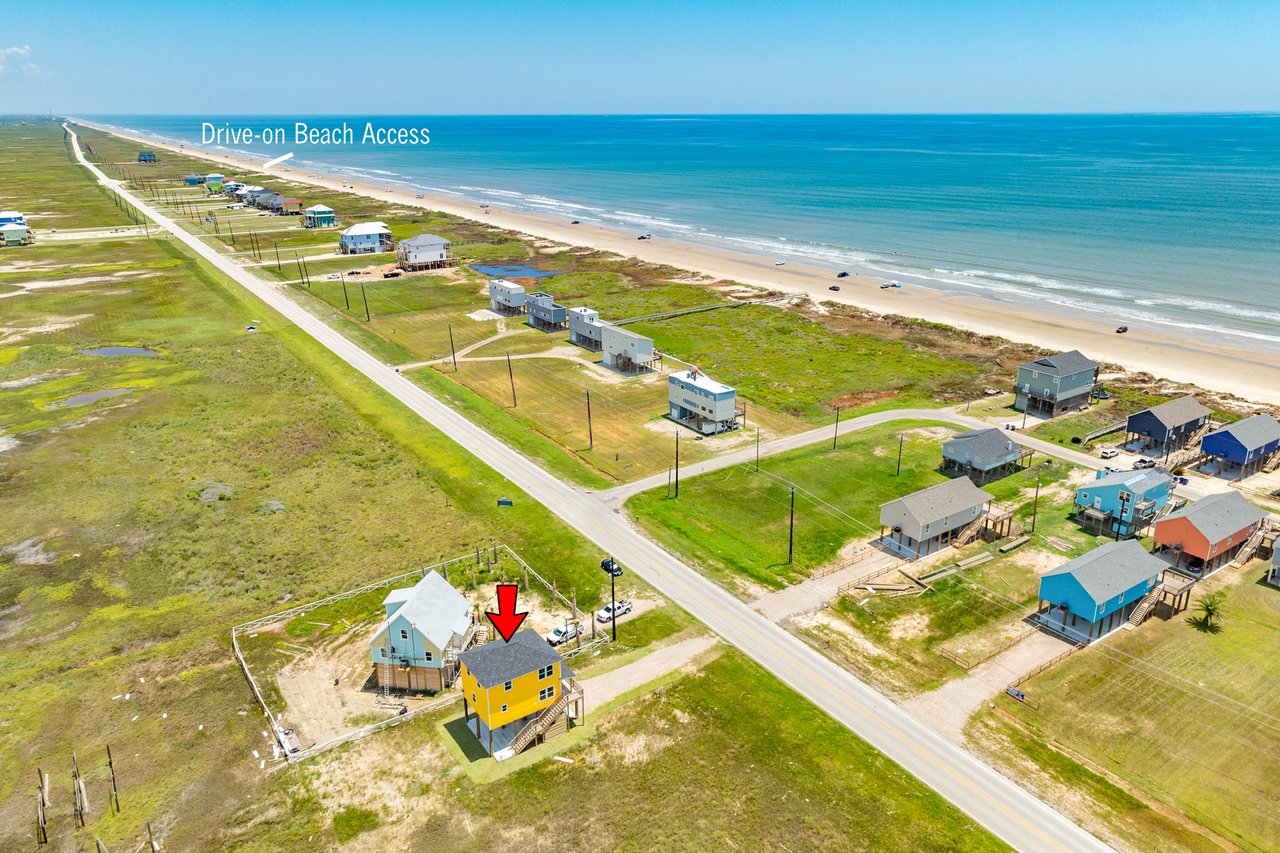
Both of those conversations are worth having. Owner financing is a real tool, and in the right deal it's a great one. I've used it on Gulf Coast properties around Surfside Beach and Freeport, and on land and unique homes in the Alliance Area up north.
But it is not free money, and it is not simple. So let's do this the honest way — the good, the bad, and the ugly — and then I'll tell you the one rule that stops most owner-financing deals before they start.
What Owner Financing Actually Is
In a normal sale, a bank hands the seller a check and the buyer pays the bank back for 30 years.
In an owner-financed sale, there's no bank. The buyer puts money down, the seller signs the deed over, and the buyer signs a promissory note and a deed of trust promising to pay the seller monthly. If the buyer stops paying, the seller can foreclose — the same way a lender would.
You still close at a title company. You still record a deed. The difference is who holds the note.
The Good
You open the door to a bigger buyer pool. Self-employed buyers, retirees living off assets, investors, and folks rebuilding credit get turned down by banks every day. Many of them have real money and real income — just not the kind that fits in a lender's box. On land and coastal lots in Brazoria County and Galveston County, where bank financing is already tight, this can be the difference between selling and sitting.
You can often get a better price. When you're offering terms nobody else is offering, you have room to hold firm on price. Buyers are trading price for access.
You collect interest instead of a lump sum. A $315,000 note at a modest rate can throw off six figures in interest over 15 years. That's income you didn't have before, and it keeps working while you sleep.
Closing gets simpler and faster. No underwriter. No lender-required repairs. No appraisal killing your deal three days before closing. For an older beach house in Surfside Beach or Treasure Island — the kind that makes appraisers nervous — that alone can be worth it.
There may be a tax angle. Spreading your gain across years instead of taking it all at once is called an installment sale, and it's reported on IRS Form 6252. I am not a CPA and I don't play one on the internet — but this is absolutely a conversation to have with yours before you say yes.
The Bad
You don't get your cash. This is the big one. If you need the equity from this house to buy the next one, owner financing is the wrong move. You're trading a check today for payments over years.
You're now a lender, whether you feel like one or not. Payments come in late. Escrow has to be handled. Insurance has to stay in force. Property taxes have to get paid — and if the buyer stops paying them, guess whose collateral has a tax lien on it.
Federal rules apply, and they're picky. If your buyer is going to live in the home as their primary residence, the CFPB's Loan Originator Rule under Regulation Z is in play. There are two narrow carve-outs. The one-property exclusion covers an individual, estate, or trust financing a single property in a 12-month period, and it does allow a balloon payment. The three-property exclusion allows more deals and covers entities like LLCs, but the loan has to be fully amortizing — no balloon — and you have to make a good-faith determination that the buyer can actually repay. Miss the mark and your note may be unenforceable. This is attorney territory, not Google territory.
Foreclosure isn't fun. If the buyer defaults, you don't just get the house back on Tuesday. You get a legal process, legal fees, and a property that may not have been loved for the last eight months.
The Ugly
Wraparound deals and contracts for deed. Somebody will eventually suggest you "wrap" your existing mortgage — keep your loan in place and let the buyer pay you while you keep paying the bank. It sounds clever. It's also how people get hurt.
Almost every mortgage has a due-on-sale clause. Transfer the property and the lender can demand the entire balance immediately. If you can't produce it, the lender forecloses — and your buyer, who has been paying you faithfully, loses the home they bought.
Texas law takes this seriously. Under Texas Property Code §5.016, if you convey residential property that will still have a recorded lien on it, you must give the buyer and every lienholder a detailed written notice at least seven days before closing — and the buyer gets a right to walk. Contracts for deed are regulated even harder, and §5.085 flatly requires an executory-contract seller to own the property free of liens.
Handshake paperwork. No title policy. No recorded deed of trust. A note somebody typed up themselves. I've seen it, and it ends badly for whichever party has the least documentation.
The Rule That Stops Most Deals: The Home Has to Be Paid Off
Here's the part I lead with now, because it saves everyone a month of wasted hope.
If you still owe money on the house, that loan has to be paid off at or before closing. You cannot carry a note on a home the bank still has a lien on and expect a clean, insurable transfer.
In practice that means one of three things is true:
- You own the property free and clear.
- Your buyer's down payment is large enough to pay off your existing loan at closing.
- You bring the difference to the table yourself.
If none of those are true, owner financing isn't your strategy. That's not me being negative — that's me saving you from a due-on-sale letter.
When Owner Financing Actually Makes Sense
The deals I've seen work best share a profile. The seller owns it outright. They don't need the cash. They like the idea of monthly income. The property is something a bank is squeamish about — raw land, an older coastal home near San Luis Beach, a small acreage tract out past Justin or Northlake. And the buyer is putting down real money, not 3%.
At Carter Signature Properties we structure these with a title company, a real estate attorney, a recorded deed of trust, and a third-party note servicer who collects the payments and sends the 1098s. A servicer costs a few dollars a month and prevents about a thousand dollars' worth of arguments.
If you're a seller in Haslet, North Fort Worth, Keller, or Roanoke and someone brings you an owner-finance offer, don't say no on instinct — and don't say yes on excitement. Run the numbers first.
Frequently Asked Questions
Can I offer owner financing if I still have a mortgage?
Not cleanly. The existing lien has to be released at or before closing, which usually means paying the loan off with the buyer's down payment or your own funds. Leaving the loan in place triggers due-on-sale risk and the seven-day lien notice requirement under Texas Property Code §5.016.
What down payment should I ask for on an owner-financed sale?
There's no legal minimum, but the down payment is your cushion. More money down means more skin in the game and less chance of default. On coastal and land deals I generally want to see a meaningful number, not a token one.
Do I have to pay taxes on the whole sale price the year I sell?
Usually not. An installment sale spreads the gain over the years you receive payments, and interest you collect is reported as income. Talk to your CPA — the structure of the note affects the answer, and this is one place where good advice pays for itself.
Is owner financing legal in Texas?
Yes, and it happens all the time. It's regulated, not prohibited. The rules come from both federal law and the Texas Real Estate Commission contract forms, and there's a seller financing addendum built right into the standard TREC contract.
Let's Look at Your Numbers
Owner financing is a strategy, not a shortcut. Done right, it sells a hard-to-finance property and pays you interest for years. Done wrong, it turns your biggest asset into your biggest headache.
If you're weighing an owner-finance offer — on the coast around Surfside Beach and Brazoria County, or up north in Haslet, Northlake, and the Alliance Area — send me the terms. I'll build the amortization schedule, show you exactly what the interest earns you, and tell you honestly whether it's a deal worth taking.
Cathy Carter, Broker and Founder of Carter Signature Properties, is a Top 1% Texas REALTOR® serving the Gulf Coast corridor and the DFW Alliance Area.
Call or text 972-358-6420 or email [email protected].
Experience the Signature Difference.
This article is general information, not legal, tax, or financial advice. Every owner-financed transaction should be reviewed by a Texas real estate attorney and your CPA.